
Commercial Pilates Reformers: Models & Studio Quotes
Buying reformers for a studio means planning for instructors, changing users and repeated sessions. Start with your class format and intended use, then ask the supplier to confirm the exact model, warranty and support in writing.
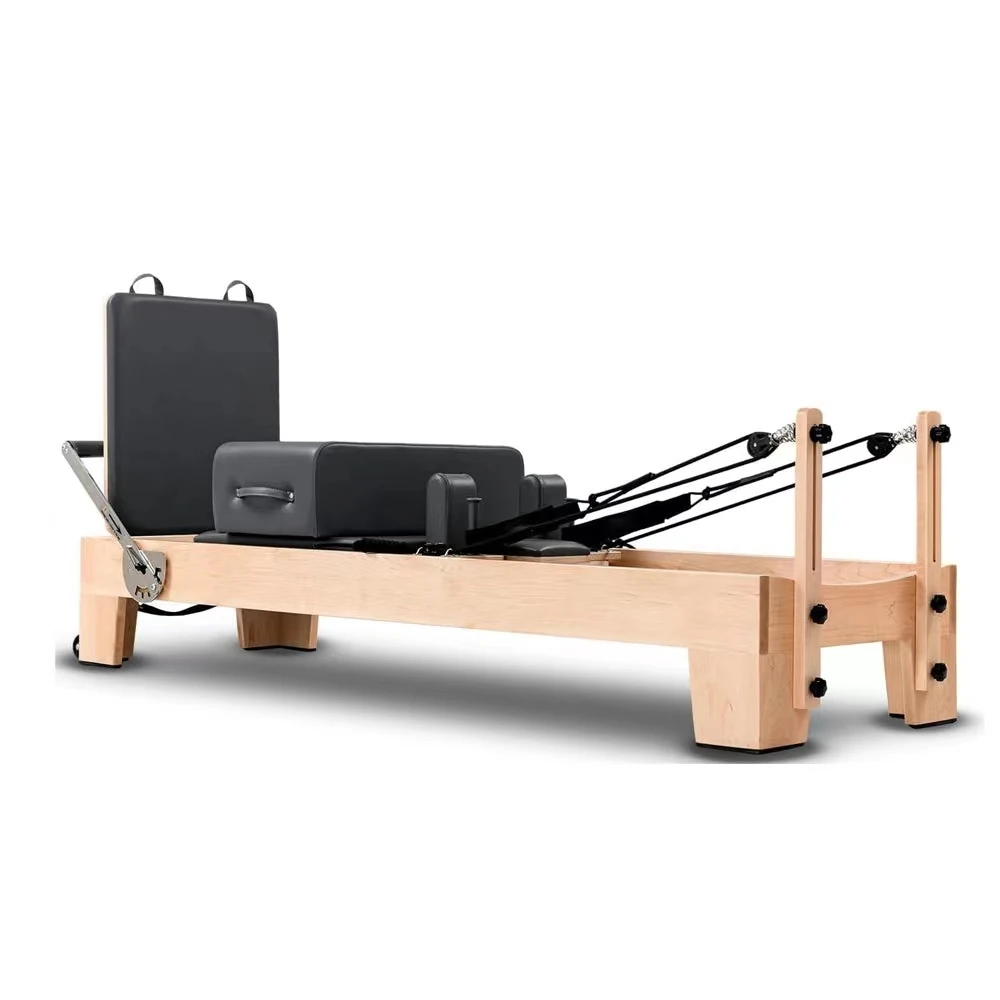
Build a studio equipment shortlist
Compare wooden, aluminum and tower configurations. Confirm suitability for your planned class use, commercial warranty terms and spare parts before ordering.
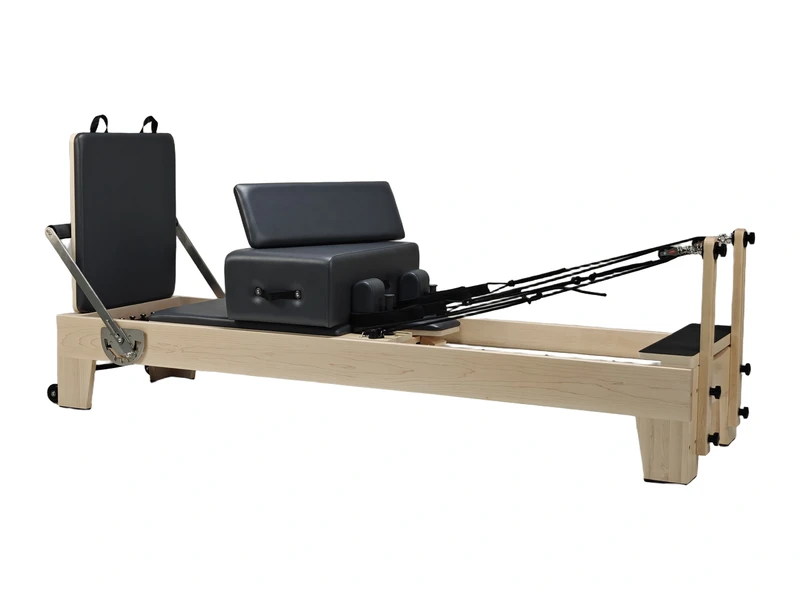
Maple Pilates Reformer | ATUSCC001
Maple reformer with a seven-position stainless-steel footbar, six springs and adjustable wooden rope risers.
View model and equipment price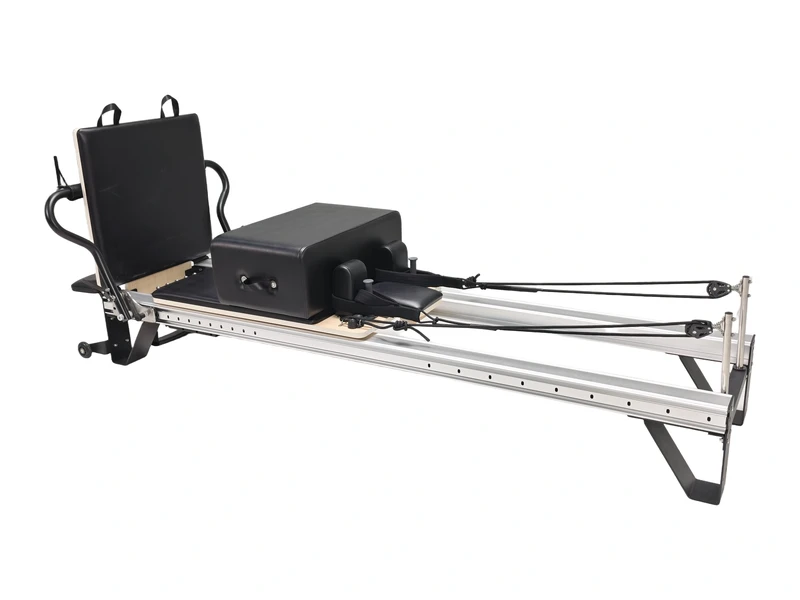
Classic Aluminum Pilates Reformer | ATUSCC022
Classic aluminum reformer with a full-track sliding footbar, five springs and upholstery upgrade options.
View model and equipment price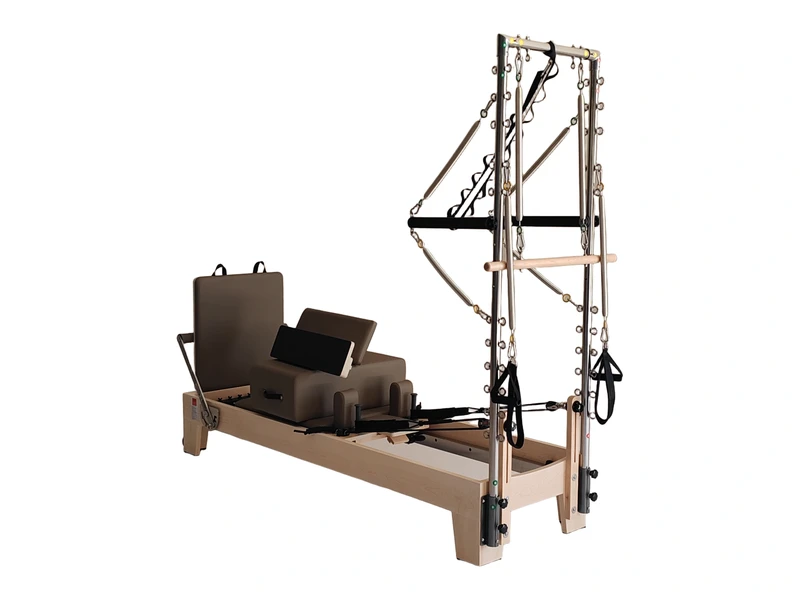
Maple Pilates Reformer with Tower | ATUSCB001
Maple reformer with Tower, 14 springs and a mat conversion board, roll-down bar and push-through bar.
View model and equipment priceOrders from one unit. Delivery availability, freight, taxes and unloading or assembly services must be confirmed for your address in the quotation.
Define how your studio will use the reformer
Write down the number of stations, expected classes per day, class length and whether instructors will teach private or group sessions. Include the range of users you expect and any specific equipment preferences your instructors have. Give this information to each supplier before asking which models suit your project.
Ask the supplier to confirm the intended application for the exact model and configuration being quoted. A general product label tells you less than the instructions, specifications and warranty terms that apply to your purchase. Keep the model code on the quote, packing list and support documents.
Evaluate the setup with your instructors
If possible, have an instructor evaluate the proposed equipment before ordering a full group-class fleet. Discuss carriage travel, shoulder-rest spacing, footbar adjustments, rope settings and the spring configuration needed for your teaching approach. Ask for demonstrations of the adjustment steps you expect to use regularly.
Check carriage movement and how the machine is set up between exercises. Confirm which accessories are included and how they attach. If you need a tower, compare its requirements with those in our tower reformer guide. Include instructor feedback when finalizing the configuration.
For a group studio, ask how consistently the quoted configuration can be supplied across the order and on future reorders. Confirm whether the box, jumpboard, straps and spring set match across stations. Record approved options on the quotation.
Confirm commercial-use warranty coverage
Ask for the written warranty for the model, region and intended use. Have the supplier confirm whether your planned studio use is covered, what exclusions apply and how to make a claim. Request coverage periods for the frame and moving parts separately, along with replacement-part shipping responsibility.
Use-specific warranty terms matter. Merrithew’s buyer’s guide, for example, states that its At Home SPX warranty becomes void when used in specified commercial facilities. Review the terms for the model you are buying. Read Merrithew’s reformer buyer’s guide.
Plan maintenance and spare parts
Request the model-specific inspection and maintenance instructions before opening. Identify who will inspect the equipment and keep a record for each station. Confirm the replacement process for compatible springs, ropes, wheels, clips and upholstery parts, plus expected availability and shipping arrangements.
Ask the supplier which parts they recommend holding for your intended usage. Request part numbers and compatibility details so future orders can be checked against the equipment you own. Follow the manufacturer’s instructions for inspection and replacement, and ask support about any wear or damage before returning affected equipment to use.
For spring maintenance background, Balanced Body provides guidance on spring selection, use and care. Apply the instructions supplied for your own equipment. Read Balanced Body’s spring maintenance guide.
Prepare the room and delivery plan
Draw the usable room layout with the chosen reformer dimensions, exercise space, instructor access and accessory storage. Discuss clearance with your instructors and confirm the requirements in the equipment instructions. Check overhead obstructions if you are ordering towers or Cadillac combinations.
Use the confirmed packed dimensions to check doors, stairs and elevators. Agree on the delivery handover point, unloading, unpacking and assembly responsibilities. Ask for the expected dispatch window and destination delivery estimate before making commitments around an opening date.
Compare itemized equipment, accessory and freight costs using our reformer cost guide. Our studio equipment planning guide covers the wider equipment list.
Questions for your supplier
Can I evaluate one machine before a studio order?
Atuspilates accepts orders from one unit. Tell us that you are evaluating equipment for a studio and describe the intended use so we can discuss suitable options, configuration and delivery scope.
How many reformers should I order?
Start with the room layout, intended class format and business plan. Confirm usable space and instructor access for the chosen models before fixing your station count.
What should a studio quote include?
Request model codes, configuration, accessories, quantity, delivery scope, expected lead time and payment terms. Ask for warranty and maintenance documents and the process for ordering spare parts. Keep the final agreed specification with your order records.
Request a studio equipment quotation
Send your class format, planned station count, estimated classes per day, instructor preferences, room dimensions and delivery country and postal code. Atuspilates accepts orders from one unit, so you can discuss a machine for evaluation before a larger order.