
PILATES GUIDE
Mat Pilates vs Reformer: Differences & How to Choose
Mat Pilates uses a mat and mainly your bodyweight. Reformer Pilates uses a moving carriage, springs and straps. The right starting point depends on how you want to practise, the instruction available to you, your budget and your space.
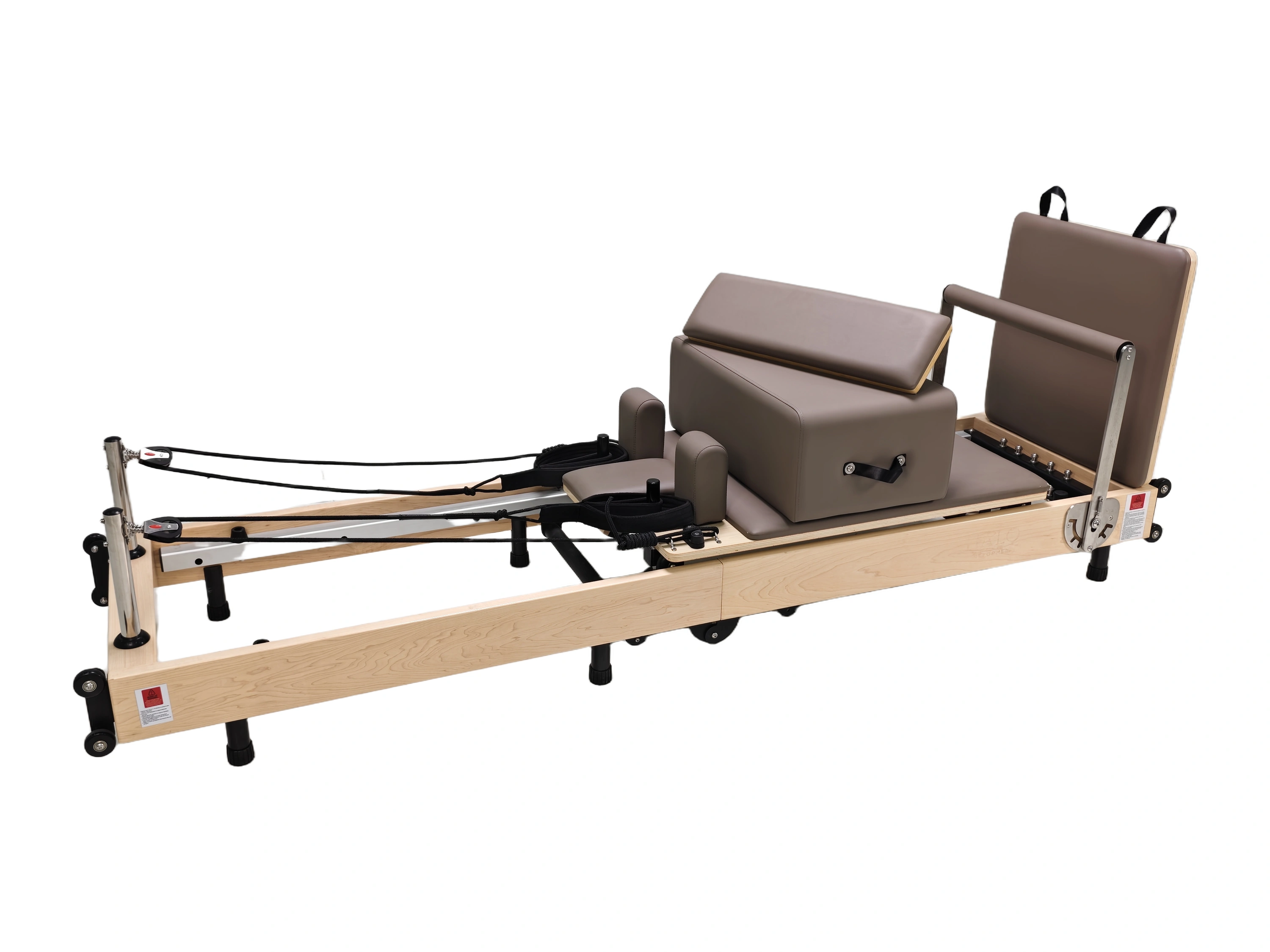
Mat Pilates vs reformer at a glance
The main difference is the equipment and how resistance is created. Both formats use controlled movement, and both offer beginner and advanced work. Pilates Anytime explains the equipment difference.
| What to compare | Mat Pilates | Reformer Pilates |
|---|---|---|
| Setup | A mat; small props are optional. | A reformer with a moving carriage, springs, footbar and straps. |
| Load | Mainly bodyweight and gravity. | Spring resistance plus bodyweight; settings depend on the exercise. |
| Space | Clear floor space for a mat and your movement. | Space for the full machine, access around it and the intended exercises. |
| Starting cost | Usually a smaller equipment investment. | Machine purchase or access to reformer classes adds cost. |
| Difficulty | Beginner through advanced exercises. | Beginner through advanced exercises; setup changes the challenge. |
| Learning | Instruction helps with technique and progressions. | Instruction also covers carriage control, springs and equipment setup. |
What is mat Pilates?
Mat Pilates is practised on a supportive mat. Bodyweight and gravity provide the main challenge, while optional props such as a small ball or resistance band can change an exercise. There is no moving carriage to guide you.
It is a practical option when you want equipment that is easy to put away or a routine you can take between home and a class. A mat is a small purchase, but learning the movements still deserves time and attention. Mat work has progressions beyond the beginner level.
What is reformer Pilates?
A Pilates reformer has a carriage that travels along a frame, with springs, a footbar and straps used in different exercise setups. The apparatus introduces external resistance and points of contact that can provide feedback during movement.
Spring settings change how an exercise feels. More spring tension does not always mean a harder exercise: in some movements a spring also provides assistance, while a lighter setting demands more control. Learn the settings for your actual machine and the exercise being taught. Pilates Anytime explains how spring settings affect support and challenge.
Which is harder, and which is better for beginners?
There is no single difficulty ranking. A demanding mat exercise and an introductory reformer exercise can feel very different, and the reverse is also true. Exercise selection, pace, range of movement and equipment settings all matter.
For a first class, look for a beginner session with an instructor who explains the setup and can adapt the exercises. If you start on a reformer, ask to learn carriage control, spring changes and how to get on and off the machine. If you start on a mat, ask about positioning and progressions.
Choose the class you can attend consistently rather than assuming the more expensive option must be better. Merrithew discusses choosing around individual needs and practical access.
Cost and space: compare your real setup
For home practice
Mat Pilates usually has a lower equipment entry cost. Check that your floor space lets you extend your arms and legs comfortably. If you follow classes online, allow for a screen position you can see without repeatedly twisting to look at it.
With a home reformer, measure the machine when it is open and allow the clearance required for your planned exercises. Check doorway access, delivery, assembly and storage before ordering. Ask for confirmed folded dimensions and handling instructions; a folding label alone does not tell you whether a machine fits your cupboard or is easy to move.
For classes and studio planning
Class fees vary by location, group size and what is included. Compare local beginner options and ongoing attendance costs rather than using a universal price estimate.
For a studio, compare the total equipment and operating plan: number of stations, instructor access around each machine, cleaning between sessions, maintenance and spare parts. Use a floor plan and an equipment quotation before deciding capacity. Buying more machines is only useful if the layout and teaching plan support them.
How to choose your starting point
- Choose mat first if a smaller equipment investment and flexible floor space make it easier to start practising regularly.
- Try a reformer class if you want to experience spring resistance and carriage movement before deciding whether to buy a machine.
- Use both if you enjoy the different formats and can fit them into your routine. Mat sessions can continue alongside studio classes.
- Plan with your instructor if you are unsure about exercise selection or equipment setup. Equipment specifications help with purchasing; they do not replace instruction.
Before buying a reformer, ask yourself: have I tried the format, where will I use it, and who will help me learn the machine? Those answers are more useful than choosing from appearance alone.
Buying a reformer? Check these details first
Once you know you want reformer equipment, compare the actual model specification and delivered quotation. For a shared home room, start with the folding reformer buying guide. If you are buying for resale, use the wholesale purchasing checklist to plan sample checks, packaging and spare-parts questions.
- Working and storage dimensions: open footprint, exercise clearance, folded dimensions if applicable, and access through doors.
- Adjustments: footbar positions, carriage travel, headrest, ropes and the spring configuration available for that model.
- User limits: confirm the stated user weight and suitability for your intended users directly with the supplier.
- Included accessories: ask whether a sitting box, jumpboard, straps or other items are included or separately quoted.
- Support and upkeep: assembly instructions, routine checks, replacement parts and the scope of the warranty.
- Full order cost: quantity, minimum order, packing, freight, taxes and delivery arrangements. Confirm lead time for the final configuration.
For a shared room, you may compare folding designs. For a dedicated studio, compare the frame, adjustments and configuration against your teaching plan. Wood and aluminium are useful categories to browse, but the material alone does not determine whether a model suits you.
Common questions about mat and reformer Pilates
Is Pilates reformer better than mat?
Neither is better for everyone. A reformer adds a moving carriage, adjustable spring resistance and straps; mat Pilates uses mainly bodyweight and gravity. Choose around the exercises you want to learn, available instruction and the space you can use regularly. If you are considering buying equipment, try a reformer class before choosing a model.
Is mat Pilates or reformer better for beginners?
Either can be a starting point in a suitable beginner class. Choose a format with instruction you can access regularly. Mat needs less equipment; reformer introduces a moving carriage and spring settings that you need to learn.
Is mat Pilates harder than reformer?
It depends on the movement and setup. On the mat you control your body without a moving apparatus. On a reformer, springs may assist a movement or add resistance. An advanced exercise in either format can be demanding.
Can I do reformer Pilates at home?
Yes, with appropriate equipment, working space and instruction. Check the full operating footprint, user limits, setup and maintenance instructions before buying. A folding design still needs its full working space when open.
Can mat Pilates replace reformer Pilates?
Mat Pilates can be your regular practice without buying a reformer. It does not reproduce every carriage, strap or spring exercise. Decide whether those additional exercise options matter to you before investing in equipment.
Do I need to choose only one?
No. You can combine mat sessions and reformer classes if that suits your routine and budget. Trying both with an instructor can help you decide which equipment, if any, you want for your own space.
Sources and further reading
Exercise explanations were checked against the resources below. Equipment planning suggestions are from Atuspilates; confirm the specification of any model before ordering.
EXPLORE EQUIPMENT
Compare Atuspilates reformer models
View the current model specifications, real product photos and available demonstration videos.
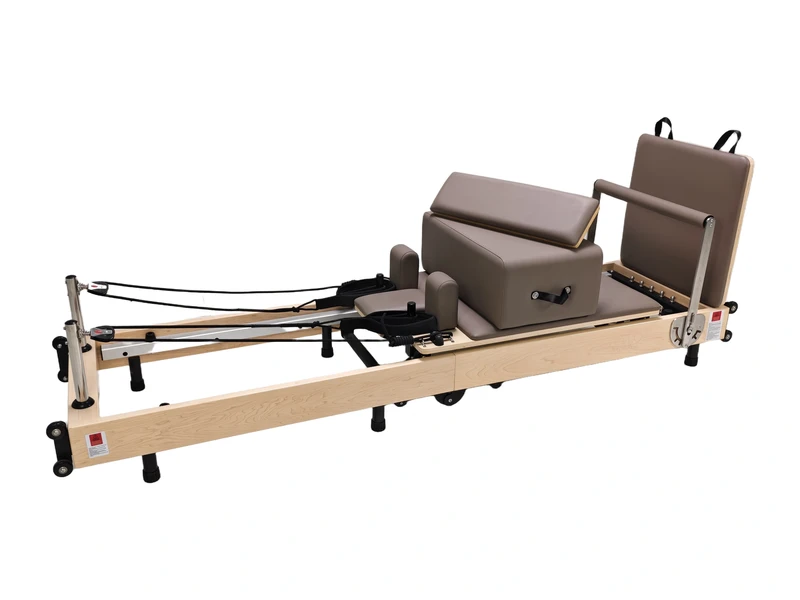
Maple Folding Pilates Reformer with Internal Hinges | ATUSHF002
Maple folding reformer with internal hinges, nylon legs and reinforced aluminum rails.
View specifications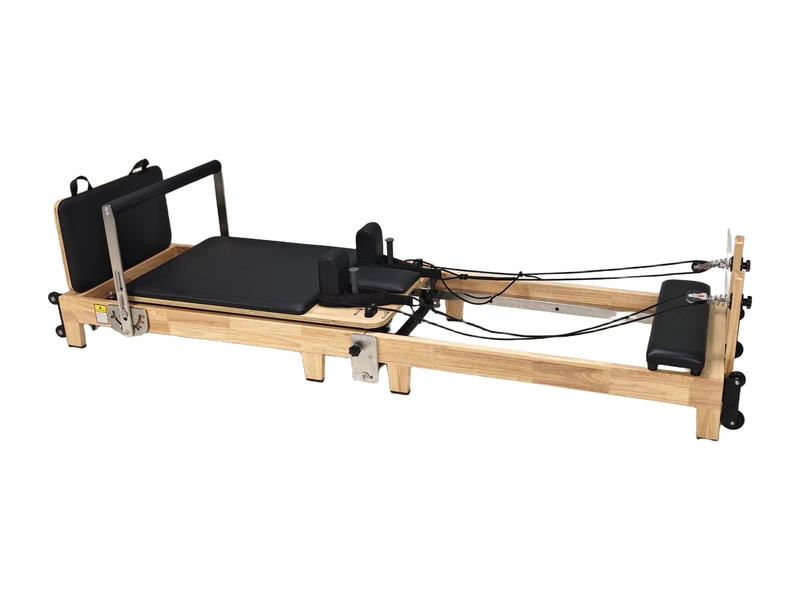
Oak Folding Pilates Reformer with External Hinges | ATUSHF003
Oak folding reformer with external steel-plate hinges, stainless-steel rails and a three-position footbar.
View specifications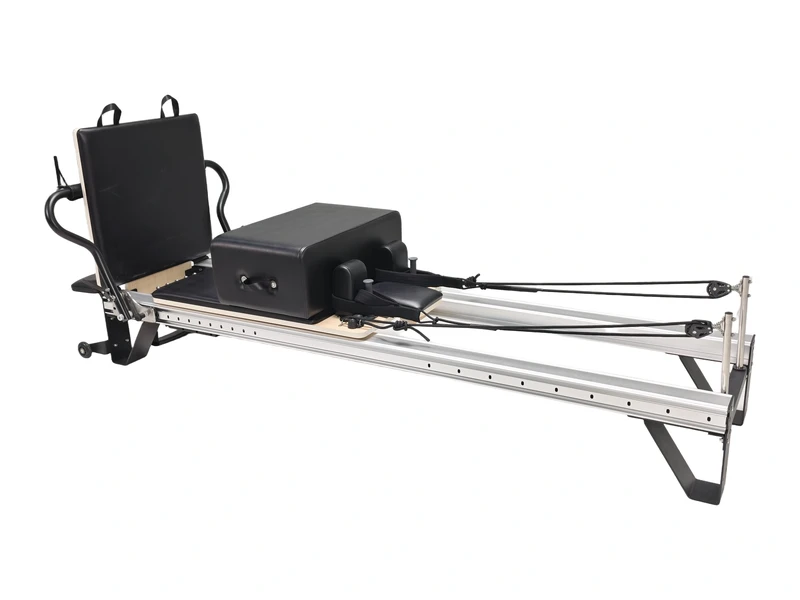
Classic Aluminum Pilates Reformer | ATUSCC022
Classic aluminum reformer with a full-track sliding footbar, five springs and upholstery upgrade options.
View specificationsSTUDIO & WHOLESALE ENQUIRIES
Planning your reformer order?
Send your preferred models, quantity and delivery destination. We welcome orders from 1 unit and can confirm configurations and a quotation for your project.
DDP delivery is available to most countries, with export and import customs clearance handled for you and delivery to your door. Send your destination and postal code to confirm availability. Your DDP quotation includes freight and applicable import duties and taxes.